Last Updated: 2026-07-17
Comparison Criteria: Price, Ease of Use, Sustainability, Initial Cost
Verification Conditions: Based on practical experiences assuming operations that beginners can replicate at home
Advertisement/PR/Affiliate
How to Choose Driftwood and Prevent Mold
If you’re looking to start a moss terrarium but are unsure about which driftwood to choose and worried about mold growth, you’re not alone! In this article, I’ll explain in detail how to select driftwood and manage it afterward. By understanding how to choose driftwood correctly, you can create a wonderful moss world in your home, so be sure to take notes!
Points for Choosing Driftwood
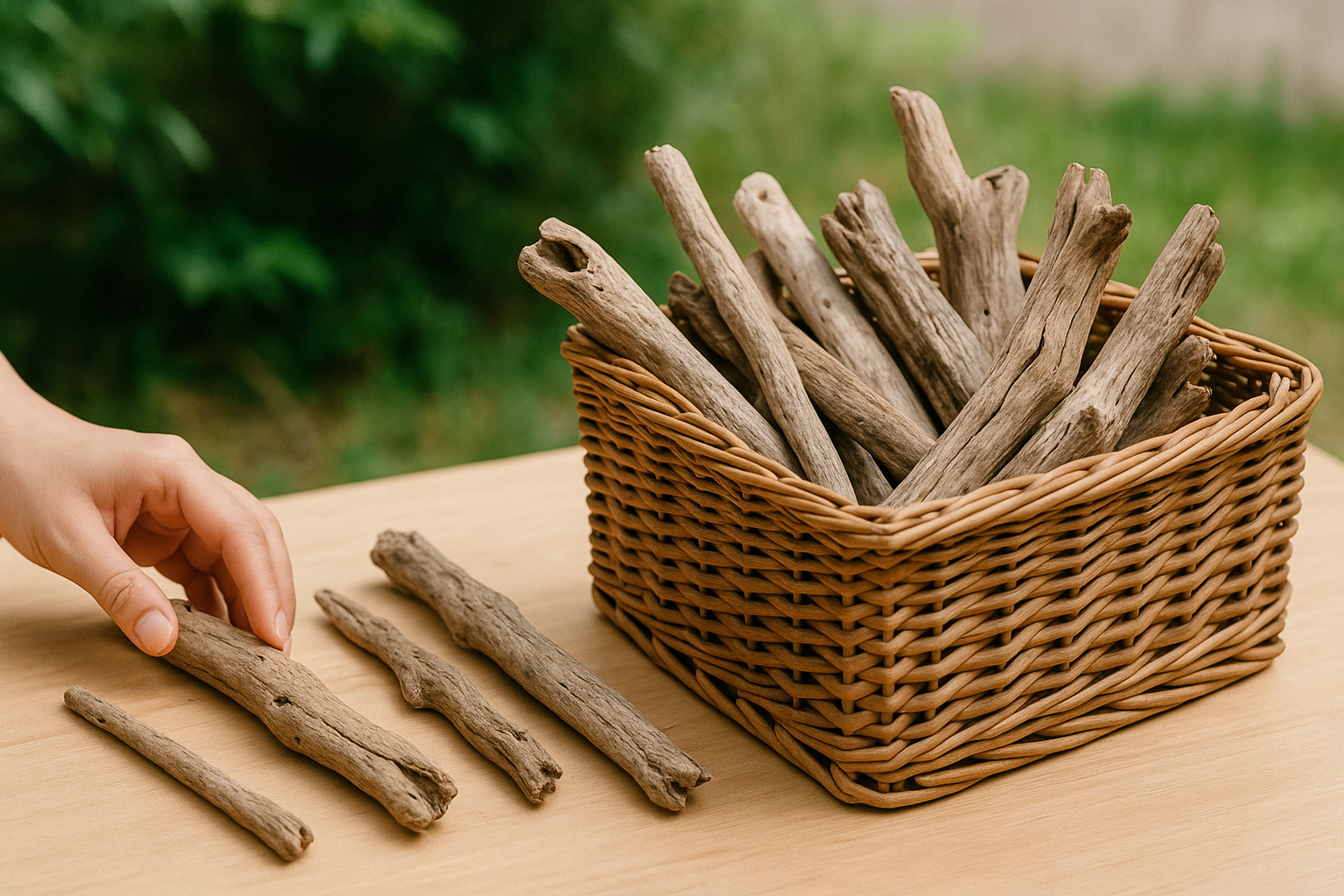
- Type of Driftwood: It’s best to choose pieces that have drifted naturally by water or dried wood with low nutrients. Specifically, driftwood found in local rivers is ideal, as it gives you a sense of the past ecosystem.
- Size: Choosing the right size that fits in your terrarium is crucial. If it’s too big, it can crowd the space, while being too small diminishes its presence. Therefore, make sure to measure it against your container.
- Shape: Natural shapes pair well with moss and create a sense of dimension. The curvature and surface texture of the driftwood greatly influence the environment for moss growth, so choose carefully.
Pre-treatment of Driftwood
Before using driftwood, it’s important to pre-treat it to keep it clean. Follow these steps:
- Washing: First, wash the driftwood thoroughly with running water to remove mud and debris. This step is key to reducing bacteria attached to the driftwood.
- Soaking: Soak it in hot water for several hours to prevent bacteria and mold. Boiling it further ensures a safer environment.
- Drying: It must be thoroughly dried in the shade. If you don’t dry it enough, it can absorb moisture, becoming a breeding ground for mold.
Management Methods to Prevent Mold
To prevent mold, keep the following points in mind:
- Proper Humidity Management: Adjust moisture levels by monitoring the state of the moss. If the humidity is too high, mold easily develops, while if it’s too low, the moss will wither, so balance is essential.
- Ventilation: Regularly ventilate to exchange air, minimizing mold occurrence. In cramped spaces, air circulation often gets poor, so be careful.
- Light Management: Install your terrarium in a spot that avoids direct sunlight and maintains appropriate brightness. Moss needs light, but too much direct sunlight can cause mold, so ensure it’s bright but protected from harsh rays.
Recommended Products for Moss Terrariums Using Driftwood
Here are some recommended items for beginners. Using these products will make the process of creating your moss terrarium smoother, increasing your chances of success!
- Check out the details of the Dōkusha Japanese Garden Kit – A kit that allows beginners to easily recreate a Japanese garden.
- Check out the details of the Moss Terrarium Glass Containers – Available in various shapes, perfect compatibility with moss.
- Check out the details of the Plant Growth Light – Lighting to optimize the growing environment.
- Check out the details of the Dōkusha Petri Dish Set of 3 – Enjoy various moss in diverse containers.
Conclusion
Creating a moss terrarium with driftwood is a fantastic way to bring the beauty of nature into your home. You can enjoy the fun of creating your own special space while forgetting daily stress. Be sure to select the right driftwood and don’t neglect mold prevention while you enjoy this hobby. If you need driftwood or tools, check out the links above! Experience a life with moss that you can’t find anywhere else.
Organizing Problems
First, let’s clarify the reader’s issues by dividing them into “where mistakes are often made” and “causes of maintenance difficulties.” Common mistakes include choosing the wrong driftwood, managing humidity, and placing it to minimize mold growth.
Solution Steps
To solve these, proceed with: 1) Simplifying initial setup 2) Reducing maintenance effort 3) Having recovery steps for failures, which increases reproducibility. This way, you can minimize errors while ensuring long-term enjoyment. Additionally, building a repertoire of success will boost motivation for your next project.
Pre-purchase Checks
- Set your budget and maximum maintenance costs upfront – Also consider long-term running costs.
- Choose products that fit your space and cleaning frequency – Tailoring management to your lifestyle is key for sustainability.
- Check stock, shipping conditions, and return policies – Thoroughly checking helps avoid unexpected issues.
Who It’s For/Not For
For: Those who want to compare and make informed purchases. It’s also ideal for those who think carefully about effort and plan ahead. Not for: Those who want to decide only based on price or those who want to enjoy decoration without considering long-term care. Preparation and planning are essential for sustained enjoyment.
FAQ
Q. What should I prioritize first? A. Make sure the ease of maintenance (maintenance frequency and placement) is your top priority. If you want to incorporate this into your everyday life, creating an easy-to-manage environment is key.
Q. Which driftwood do you recommend the most? A. It depends on the type of moss and installation environment, but driftwood with natural curves is generally popular. Finding it locally can be a fun experience, but searching for high-quality driftwood online is also a good option.
Q. Any tips to avoid mistakes while selecting driftwood? A. Be sure to check three things: size, shape, and type. Not only visually, but also by touching it to check texture and weight, you’ll make a better choice.
Q. What should I particularly watch out for in mold prevention? A. Monitoring humidity and managing sunlight exposure are the most crucial. Especially remember that regular ventilation is key to preventing mold growth.
Q. How often does maintenance need to be done? A. Ideally, checking the moss’s state and moisture should be done once a week. Always observe to ensure the driftwood and moss are healthy.

コメント